
CHRIS MM GORDON
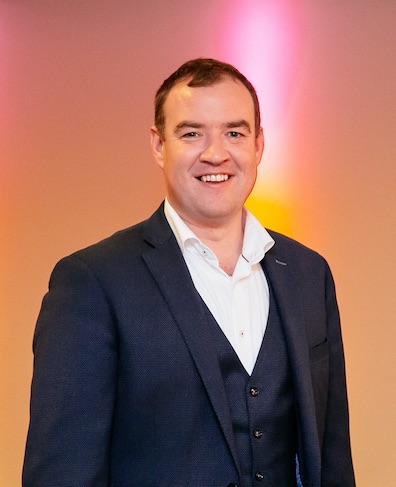
Welcome
Chris MM Gordon MBS BScTheorPhys DipCorpGov DipIOD FIoL
Chris is the CEO of the Irish Social Enterprise Network (Socent.ie), Managing Partner of Collaboration Ireland, Project Director of Social Enterprise Exchange and a Teaching Fellow of Trinity Business School. Chris also volunteers as Chair of EnergyCloud Foundation and Far and Wild social enterprise. Chris is a B Leader from B Lab Europe.
Chris’ work focuses on leading and managing European and nationwide projects on Social Enterprise, Social Entrepreneurship, Corporate Responsibility, Social Impact, Startups, Cooperatives, Exporting, SMEs in Ireland and leading a life of passion and purpose.
Chris engages on national discourse and policy development providing sectoral reporting, supports and proposals to government. Chris has featured in the Sunday Times, BBC, Irish Independent, RTÉ, Today FM, Sunday Business Post and other media. He has contributed to national and European policy papers for political parties.
Chris is a Fellow of the Institute of Leadership in the UK, Social Innovation Fellow from StartingBloc in the US, a Constellations Society Fellow from France, Tällberg Pathfinder Fellow from Sweden and a US Department of State awardee on Social Enterprise and Tackling Long Term Unemployment programme. Chris is trained as a Climate Reality Leader and is a qualified Erickson Coach. Chris is President Emeritus of the Irish US Alumni Association and recipient of the IUSA President’s Medal. Chris has also completed a Diploma of Company Direction with the Institute of Directors Ireland. Chris’ passion is in outdoor facilitation, youth work, social inclusion and community development.
Chris has a degree in Theoretical Physics from Queen’s University Belfast, a Masters in Business from the University of Ulster and has qualifications from the Institute of Banking, LIA and UCD.
What I do
Social Enterprise
Social Enterprise, social innovation, social business, BCorp and more.
Consulting
Qualified and experienced consultant and facilitator mostly involved in third sector.
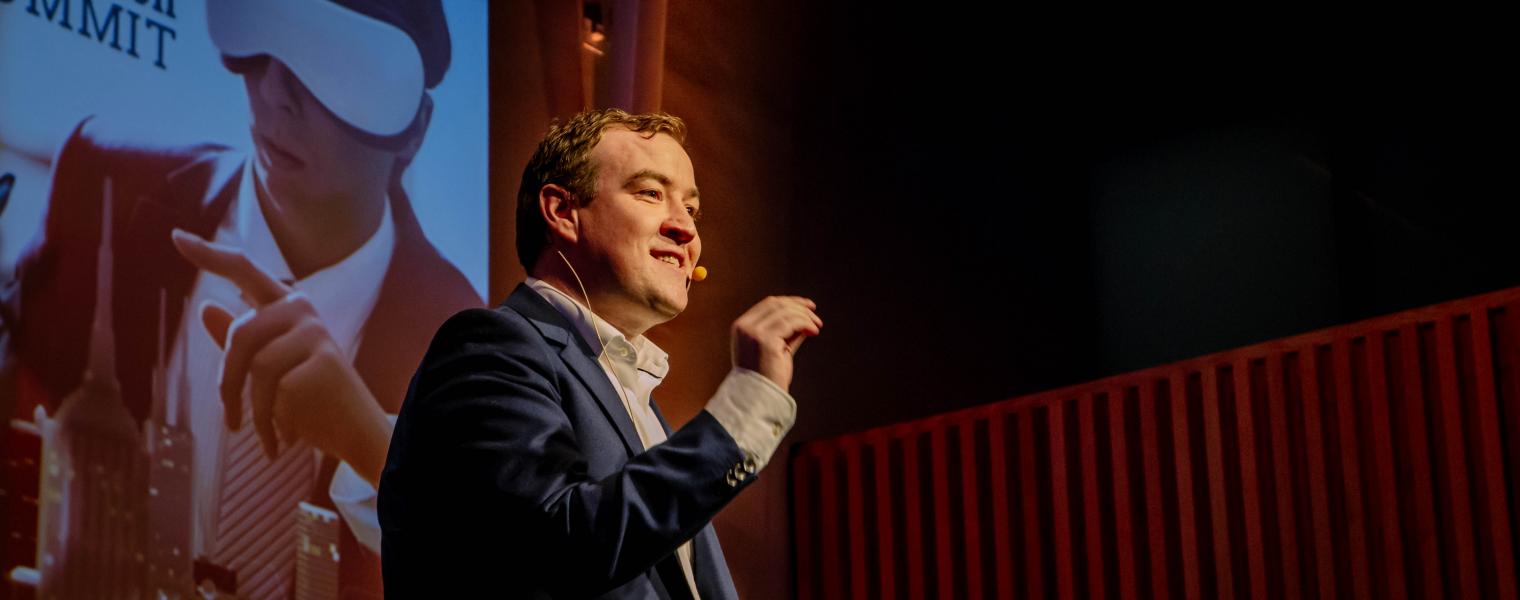
Master of Ceremonies
Experiences MC to large international events to smaller more intimate ceremonies.


Some Other Things I Do



I’m ready when you are!